




Full Guide: What makes Poland attractive to expats
Its rising economy, excellent public services, rich cultural heritage, and friendly people have all helped Poland become a popular place for people to live permanently. This guide will give you a full look at all the factors that make Poland so appealing to people who want to live abroad. Some of the things that will be talked about are the cost of living, job opportunities, the health care system, places that are friendly to foreigners, and the challenges of speaking Polish. Polish people are friendly and open, and the country offers a unique mix of chances and cultural experiences for people who want to start a new stage in their lives.
Living Costs in Poland for Expats
Cost of Living Advantage
When compared to the majority of Western European nations, Poland’s cost of living is significantly cheaper, making it a particularly appealing location for people who are looking to relocate. This perk makes it possible for expats to live a good life without straining their funds. Individuals seeking financial security may be interested in moving to Poland because the country is affordable in many other areas of daily life as well.
Accommodation
The prices of homes in Poland are surprisingly low, especially when compared to the prices of homes in Western European towns. Because flats and houses are often rented for less money, expats can find good places to live without having to pay high prices. Expats can find this cheap living in both cities and rural areas, so they have a lot of options to choose from based on their needs and preferences.
Daily Expenses
Some of the factors that contribute to Poland’s overall lower cost of living are the country’s daily costs, which include transportation, eating, and grocery shopping. There are a variety of reasonably priced choices available for fresh vegetables and other necessities in supermarkets and local markets. The use of public transportation is not only efficient but also economical, making it possible for inhabitants to travel around cities and regions without incurring a large financial burden.
Utilities and Services
The costs of these things, like electricity, heat, and the internet, are not too high in Poland. People who live outside of Western Europe can get these basic services for a lot less than people who live in those countries. When living abroad, having reliable and cheap services is important for making sure that you can afford to live the way you do.
Entertainment and Leisure
There are many different kinds of cultures in Poland, and most of the time, the prices for fun there are lower than in other European countries. As a result, expats can enjoy theatres, museums, eateries, and other leisure activities without spending a lot of money, which makes their general quality of life better.

Job Opportunities in Poland for Foreigners
There has been a growing need for experienced professionals in Poland, which has resulted in Poland being an increasingly appealing destination for expats who are looking for employment possibilities here. In this article, we will provide a summary of the work options and prospects available to foreigners.
Growing Economy and Opportunities
The vibrant and dynamic economy of Poland has resulted in an increased need for qualified professionals across a variety of industries. Since the nation has been seeing constant economic growth, it has become an attractive destination for individuals from other countries who are looking for work possibilities. Professionals with specialized knowledge are frequently in great demand in fields such as information technology, finance, engineering, and healthcare. If you’re looking to expand your business into Poland, our experts are here to assist and manage the process for you.
In-Demand Skills
Foreign nationals who possess abilities that are in high demand might discover a great deal of employment chances in Poland. Software developers, IT professionals, and engineers are in high demand in the information technology industry, which is experiencing a period of rapid growth. As Poland continues to draw firms from across the world, having a strong command of many languages, particularly English, is a valuable advantage in international corporations.
Job Search Platforms
People looking for work can look at a number of online tools and websites that connect employers with potential workers. Job posting sites like LinkedIn, Glassdoor, and neighborhood job boards have ads for jobs in many fields. Meeting people at professional events, conferences, and internet groups can also help you find a job and learn more about the job market.
Language Requirements
While English is widely spoken in business and multinational companies, knowing the Polish language can significantly enhance job prospects. Some roles may require proficiency in Polish, especially in customer-facing positions or those involving local clientele.
Work Permits and Visas
A work permit and a visa are normally required for foreign nationals who wish to find employment in Poland. In order to complete the procedure, you will need to get a job offer from a Polish business. This is because the work visa is frequently associated with a particular role. To a greater extent than non-EU nationals, EU citizens are subject to streamlined processes. If you want to know more about Poland’s work permits and Visas check out this blog.
Internship Programs
Participating in internship programs can be a strategic entry point for foreigners. Many companies offer internship opportunities that can later lead to full-time employment. This approach allows individuals to gain valuable work experience while establishing connections within their industry.
Networking and Professional Organizations
Building a professional network is crucial in any job search. Joining industry-specific groups, attending conferences, and becoming a member of professional organisations can provide access to job openings and valuable connections in the Polish business community.
Pros and Cons
Pros of living and working in Poland
- Comprehensive Facilities: Poland boasts a healthcare system with a wide range of comprehensive facilities, ensuring access to various medical services.
- Well-Trained Professionals: The system is staffed with well-trained medical professionals, contributing to the overall quality of healthcare in the country.
- Accessibility and Affordability: Expatriates often appreciate the accessibility and affordability of healthcare services in Poland. Routine check-ups and emergency treatments are not only available but also reasonably priced.
- Inclusive Healthcare Services: The system covers a spectrum of healthcare services, from routine check-ups to emergency treatments, providing a holistic approach to medical care for residents.
Cons of living & working in Poland
- Varied Quality Across Regions: There may be variations in the quality of healthcare services in different regions of Poland. Major cities often have well-equipped facilities, but rural areas might experience limitations.
- Need for Language Proficiency: While English is spoken in many medical facilities, having a basic understanding of Polish can be beneficial for expats to navigate the healthcare system effectively.
- Private Healthcare Options: While not necessarily a drawback, some expats might prefer private healthcare options for faster access and more personalized services, especially if seeking additional comfort and convenience in their healthcare experience.
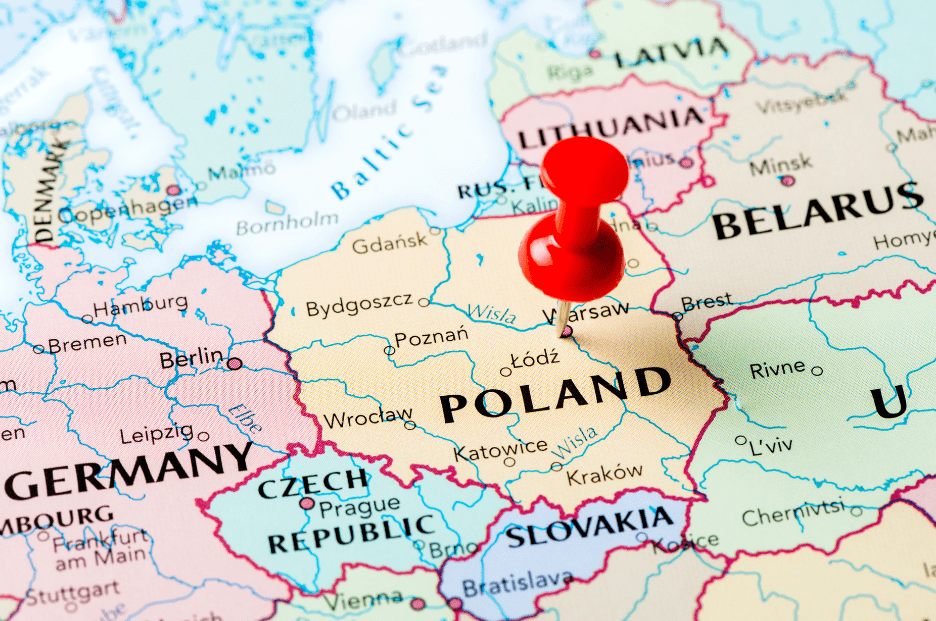
Expat-Friendly Cities in Poland
There is a wide variety of cities in Poland, each of which has its own distinct attraction, making Poland a particularly appealing location for people who are looking to relocate abroad. As a result of the fact that every place offers its own set of benefits, selecting the appropriate city becomes extremely important for expats.
Warsaw
Warsaw is Poland’s capital and largest city, and it is a dynamic metropolis that has a thriving cultural scene as well as a vast number of possible employment options. There is a diverse expat community in the city, which contributes to the city’s global culture. Those who are looking for a lively urban lifestyle will find that Warsaw is the perfect place to be because it has a bustling nightlife, historical attractions, and contemporary infrastructure.
Krakow
Known for its rich history and charming old town, Krakow offers a more relaxed atmosphere compared to Warsaw. The city is a cultural hub with numerous festivals, historic sites, and a thriving arts scene. Expats drawn to a mix of history and leisure find Krakow an appealing choice.
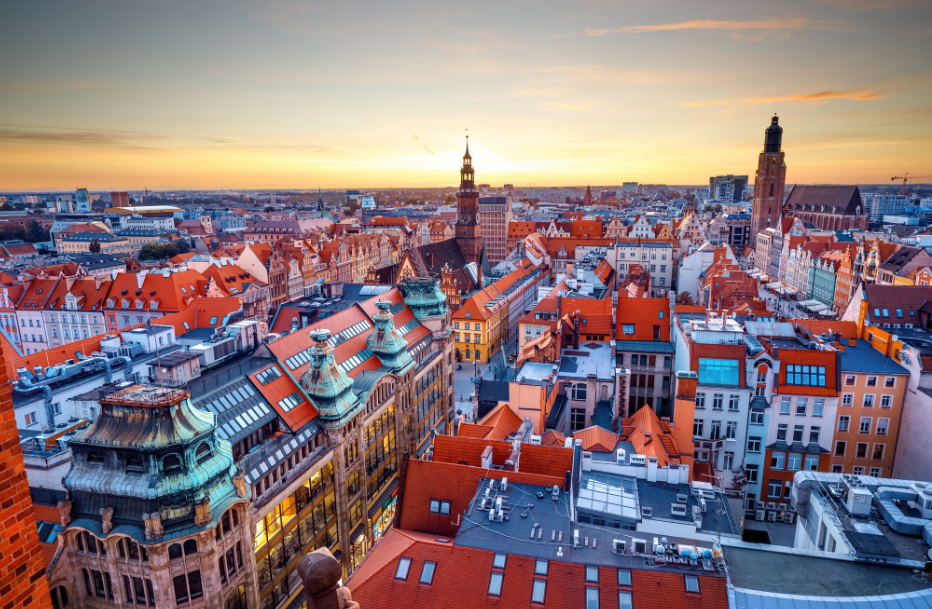
Wroclaw
Wroclaw, with its picturesque architecture and lively market squares, exudes a unique charm. This city in western Poland offers a blend of history, modernity, and a friendly atmosphere. Expatriates seeking a balance between tradition and a cosmopolitan vibe may find Wroclaw particularly inviting.
Poznan
Poznan, located in the west, is known for its historic Old Town and vibrant cultural events. The city’s youthful energy, driven by its university population, creates a dynamic environment. Expats looking for a city with a lively spirit and a mix of history and modernity may find Poznan appealing.
Gdansk
On the Baltic coast, Gdansk combines maritime history with a lively cultural scene. The city’s picturesque architecture, historic shipyards, and coastal charm make it an attractive option. Expats seeking a coastal lifestyle, historical richness, and cultural diversity may find Gdansk an ideal choice.
Choosing among these cities depends on various factors, including personal preferences, professional opportunities, and lifestyle considerations. Poland’s cities collectively offer a mix of historical charm, modern amenities, and a welcoming atmosphere, making the country an enriching experience for expatriates. The variety of options ensures that each individual can find a city that resonates with their unique desires and goals.

Poland’s Healthcare System
Poland’s healthcare system plays a pivotal role in shaping the country’s appeal for expatriates and residents alike. Offering a comprehensive range of medical services, the system combines modern facilities with a cadre of well-trained medical professionals, contributing to the overall well-being of the population.
Comprehensive Facilities
Poland’s healthcare infrastructure includes a network of comprehensive facilities, ranging from hospitals and clinics to specialized treatment centers. This ensures that residents have access to a diverse array of medical services, covering preventive care, routine check-ups, and specialized treatments.
Well-Trained Medical Professionals
The healthcare system is fortified by a workforce of well-trained medical professionals. Physicians, nurses, and support staff undergo rigorous training, upholding high standards of care. This professional competence contributes to the reliability and effectiveness of healthcare services across the country.
Accessibility and Affordability
One of the standout features of Poland’s healthcare system is the accessibility and affordability of services. Routine check-ups, diagnostics, and emergency treatments are not only readily available but are also reasonably priced. This inclusivity ensures that residents, including expatriates, can access necessary healthcare without significant financial burden.
Inclusive Healthcare Services
The healthcare system adopts a holistic approach, covering a wide spectrum of services. From routine check-ups to emergency treatments, the system addresses various medical needs, promoting overall health and well-being. This inclusiveness is vital for creating a healthcare environment that caters to the diverse health requirements of the population.
Challenges and Considerations
However, like any healthcare system, Poland’s is not without challenges. Language barriers can be a concern for expatriates seeking medical attention, although many healthcare professionals do speak English. Additionally, there may be variations in the quality of healthcare services across different regions. Major cities tend to have well-equipped facilities, while rural areas might face limitations.
Private Healthcare Options
For those seeking additional comforts and conveniences, private healthcare options are available. These alternatives often offer faster access to services and a more personalized approach to healthcare. While not a necessity, private healthcare can be a preference for individuals desiring a higher level of service and a more tailored healthcare experience.
Poland’s healthcare system stands as a crucial asset, providing a balance between comprehensive services, accessibility, and affordability. Expatriates and residents benefit from a well-structured healthcare framework that addresses various medical needs while considering the challenges associated with language and regional variations.
Language Challenges for Expats in Poland
While Poland is known for its English-speaking population, expatriates may encounter language challenges in certain situations. Although many locals are proficient in English, especially in urban areas and among the younger population, learning basic Polish phrases can enhance the expat experience and facilitate smoother interactions in daily life. Embracing the local language also fosters a deeper connection with the culture and community, making the overall expat journey more enriching.
Conclusion
Poland’s allure for expatriates lies in its dynamic economy, affordable living costs, and a welcoming environment that embraces cultural diversity. The country’s blend of modern amenities, rich history, and warm-hearted people make it a compelling destination for those seeking new adventures. While there are certain challenges, such as language barriers and variations in healthcare quality, the overall expat experience in Poland is overwhelmingly positive. As the country continues to evolve and thrive, it remains a beacon for individuals seeking a fulfilling life, both personally and professionally, in the heart of Europe.
FAQs
How easy is it to get European citizenship by descent in Poland?
Acquiring European citizenship by descent in Poland can be relatively straightforward if one can prove direct lineage to a Polish ancestor. However, the process involves a detailed application and eligibility criteria, varying based on individual circumstances.
What are the challenges for expats and locals in Poland?
Expats in Poland may face language barriers, cultural adjustments, and adapting to the local work environment. For locals, economic challenges and occasional political tensions can be prevalent, impacting daily life and contributing to social and economic concerns.
Is English widely spoken in Poland?
English proficiency is growing in Poland, particularly in urban areas and among the younger population. In cities and tourist hubs, many people, especially in business and services, speak English, making it easier for expats and travelers to communicate and navigate daily life.
How easy is it to move to Poland without a job offer?
Moving to Poland without a job offer is possible, but it requires financial planning. Applicants may need to show proof of sufficient funds to support themselves initially for a residence permit.
What is the cost of living in Poland for expats?
The cost of living in Poland for expats varies based on factors like location and lifestyle. Generally, it is lower than in Western Europe. Cities like Warsaw and Krakow can be more expensive, while smaller towns offer a more affordable lifestyle.
What are the advantages of living in Poland?
Living in Poland offers advantages such as a rich cultural heritage, a relatively low cost of living, a growing economy, diverse landscapes, well-connected transportation, and a good quality of life. Expats can enjoy a mix of historical charm and modern amenities.
What are the disadvantages of living in Poland as an expat?
Disadvantages for expats in Poland may include language barriers, cultural differences, a slower bureaucratic process, and adapting to the harsh winters. Some individuals may find these aspects challenging during their transition.
How is the Polish healthcare system?
The Polish healthcare system is a mix of public and private facilities. Major cities have well-equipped facilities, but expats may need private insurance for comprehensive coverage. Quality can vary.
How can foreigners find jobs in Poland?
Foreigners can find jobs in Poland by searching online portals, networking, and checking company websites. Possessing skills in demand, especially in fields like IT or finance, enhances job prospects. Knowledge of Polish can also be beneficial.
What is the Polish train system like?
Poland’s train system is well-developed, connecting cities and towns efficiently. The Intercity and regional networks offer reliable and comfortable travel, with scenic routes and modern amenities for passengers.