





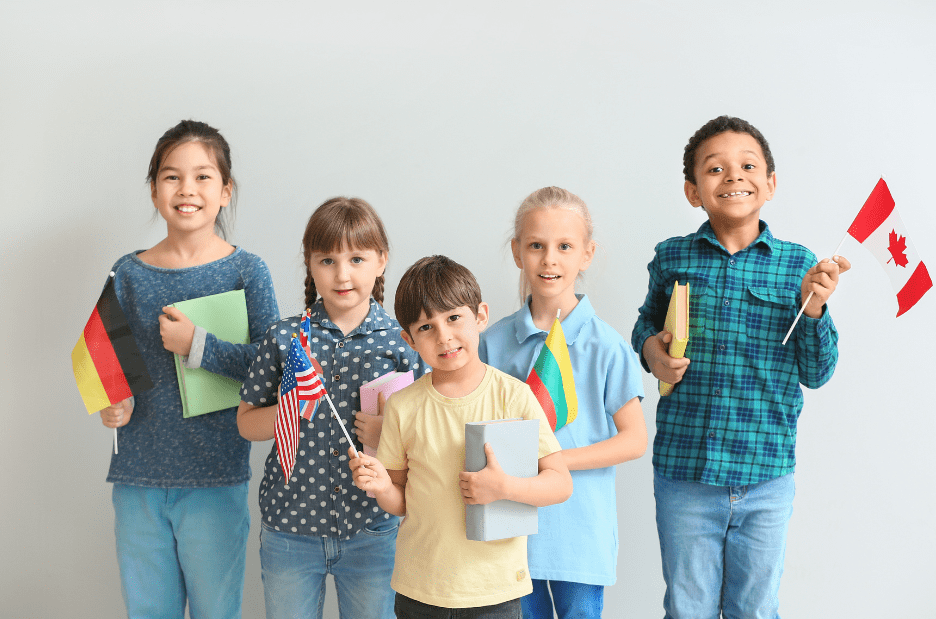
The Top 10 Advantages for Expat Kids Growing Up Abroad
For families, moving to a new country can be both exciting and hard, especially for kids. People often call them “expat kids,” and they are about to go on a unique journey that will help them grow as people, learn about other cultures, and become stronger. But getting through this change needs conscious support and direction from parents and other caregivers.
When moving abroad to another country, especially as a child, experiencing culture shock is common. We offer guidance on how to ease this transition for your child and strategies to overcome it. We will talk about ten great benefits for kids who live abroad and how parents can help their kids adjust nicely in this piece.
1. Encouraging Cultural Exploration and Understanding:
Embracing diversity through immersion
Children who live in different countries have a unique chance to become immersed in different languages, cultures, and customs. Encouraging them to take advantage of this chance can make their time abroad much better overall. Actively participating in the local community and its traditions can help foreign kids learn more about the world around them and open up new ideas.
Exploring the new environment
One way to help children learn about other cultures is to let them explore the new place where they live. Every trip is a chance to learn something new, whether you are walking through busy markets, going to historical sites, or just taking a stroll through the neighbourhood. To learn more about the way of life in that area, tell them to watch, ask questions, and talk to people.
Tasting local food
Food is an important part of every community, and getting expat kids to try local food can be both fun and educational. Take them to restaurants, markets, or cooking lessons in the area where they can try traditional dishes and learn about the ingredients and cooking methods that are only found there. This not only lets them try new tastes, but also helps them appreciate how different foods are around the world.
2. Promoting Language Acquisition:
Setting up an immersive language environment
For expat kids, living in a foreign country is the perfect place to learn a language by soaking it up. Parents can make it possible for their kids to use the local language in the things they do every day. This means encouraging them to talk to their neighbours, shopkeepers, and peers in the language, as well as using it in everyday situations like going grocery shopping or getting food at restaurants.
Using language classes and other tools
Putting expat kids in language classes or programs that are right for their age and skill level can help them learn the language faster. A lot of places offer language classes just for expat families, which is a great way to learn in a structured and helpful setting. Online tools, language learning apps such as Duolingo, and educational materials can also be used to supplement what is taught in the classroom and help students improve their language skills when they are not in class.
Taking part in cultural activities
Expat children can learn about the customs and traditions of their new home by taking part in cultural activities. These activities also give them good chances to improve their language skills. Going to festivals, joining community groups, or taking part in cultural classes are all immersive activities that help kids learn and use the language in real-life situations while learning about the culture.
3. Fostering Independence and Resilience:
Giving expat kids the tools they need to solve problems on their own
Children who live abroad can learn to be independent and strong by getting used to life in a new place. Giving kids the tools they need to fix problems on their own is something parents can do to help this process along. This means giving them tasks that are right for their age and letting them explore their surroundings with help and direction. Parents help their kids learn important life skills that will help them in the future by pushing them to take the lead and figure out how to deal with problems.
Assigning responsibilities based on age
Giving expat kids age-appropriate tasks helps them feel like they own things and are responsible for them. Whether it’s doing chores around the house, organizing their things, or taking care of pets, these activities help kids learn important life skills like responsibility, planning, and time management. Children gain trust in their skills and a sense of competence and self-efficacy by taking part in their family’s daily tasks and routines.
Encouragement of Feedom to explore and get around
Letting foreign kids explore and get around on their own helps them become more independent and confident. Walking to school, taking the bus, or running errands in the neighbourhood are all activities that give kids a chance to practice making choices, fixing problems, and evaluating risks in a safe setting. Kids need to be watched and guided but letting them explore within safe limits gives them a sense of independence and control.
4. Maintaining Connections with Home
Celebrating family traditions and rituals
It’s important to keep and enjoy homegrown family traditions and rituals, even if you are still getting used to living in a new place. Many people see these traditions as anchors that keep them grounded and linked to their history. When kids live abroad, they can still feel like they belong and have a strong sense of identity by doing things like going to religious ceremonies, making traditional meals, and enjoying holidays in ways that are familiar to them.
Honouring holiday celebrations
Families put a lot of cultural and emotional weight on holidays. For adopted children to feel connected to their roots, it’s important to keep these traditions living. Holidays, national holidays, and events geared toward families can help children who live abroad feel like they belong and are connected to their culture. This could mean changing traditions to fit the new place or adding parts of the new place’s customs to events that are already well-known.
Supporting relationships
Kids who live abroad need to stay in touch with family and friends back home to feel connected and encouraged, even when they are far away. Encourage people to stay in touch with their family and friends by writing letters, making video calls, or using social media. Set up visits and reunions for your family to get to know each other better and make moments that will last a lifetime. Expat kids can feel safe and like they belong when they stay connected to their roots. They know that their extended family and community love and value them.
5. Building a Supportive Network:
Taking part in community events
Encouraging expat kids to take part in community events helps them make friends and feel like they belong. Volunteering, taking part in neighbourhood events, or going to local get-togethers are all great ways for kids to connect with adults and other kids in a useful way. Participating in community activities not only helps children who live abroad make friends, but it also helps them feel like they fit in and are accepted in their new community.
Joining sports teams and clubs
Sports are a great way for kids from different cultures to make friends and social ties because they use a language that everyone can understand. Get your kids to join sports clubs or teams so they can get to know each other through shared experiences and hobbies. Sports not only improve physical health and teamwork, but they also teach kids important social skills like how to communicate, work together, and be a leader. This helps expat kids feel better emotionally and fit in better with their new friends.
Connecting with cultural groups
Expat kids can meet other kids from the same background and experiences by joining cultural groups and organizations that are related to their heritage or hobbies. Whether it’s a language exchange club, a cultural association, or a foreign support group, these groups give kids a safe place to feel understood and accepted. Children who live abroad can feel proud of their heritage and identity by joining cultural groups and making friends with other kids who share their backgrounds.
6. Cultivating Global Awareness and Perspective:
Discussions about global issues
Having conversations with expat kids about global issues helps them understand how the world is linked and the problems that different groups face. Start conversations about things like protecting the earth, fairness in society, poverty, and human rights. Not only do these talks teach kids new things, but they also help them learn how to think critically and care about others, which gives them the tools they need to become active and aware global citizens.
Promoting empathy towards others
To help expat kids develop a caring and accepting outlook, it’s important to promote empathy toward others. Help kids understand and value the different points of view, struggles, and experiences of people from various backgrounds and nations. Tell them to put themselves in other people’s shoes, listen actively, and react with kindness and understanding. Children who live abroad learn to accept and respect differences and make deep links with people from all walks of life by developing empathy.
Developing a sense of responsibility
Giving expat kids a sense of responsibility to make the world a better place gives them the power to make a good difference in their communities and beyond. Help kids figure out what issues are important to them and how they can make a change, whether it’s by volunteering, speaking out, or raising money. Expat kids gain a sense of agency and purpose by taking action on issues that matter to them. They realize that they have the power to make the world a better place for everyone by making changes that matter.
7. Embracing Change and Uncertainty
Embracing new experiences
To help foreign kids deal with the unknowns of living abroad, it’s important to encourage them to try new things. Embracing new things, like trying new foods, visiting places you haven’t been before, or taking part in cultural activities, makes you more curious and adventurous. Kids can become more resilient and able to deal with change if you teach them to go into new situations with an open mind and a desire to learn.
Learning to deal with unfamiliar situations
Expat children often must learn how to deal with situations and places they aren’t used to. Help them learn how to think and solve problems in a way that is flexible so that they can handle unexpected problems with confidence. Teach kids to be curious about new things instead of scared of them. This will give them the confidence to look for answers, ask for help when they need it, and handle new situations with grace and strength.
Learning from setbacks
As expat kids get used to life in a new country, they will surely run into problems and setbacks. Encourage them to see losses as chances to learn and grow instead of as failures. Help kids figure out what they can learn from setbacks, like how to be resilient, persistent, or good at fixing problems. When expat kids see setbacks as opportunities to learn, they build the strength and drive to get through tough times and do well even when things go wrong.
8. Supporting Emotional Well-being
Building a safe and supportive environment
To help expat children deal with the mental challenges of moving to a new country, it is important to create a safe and supportive environment. Encourage open conversation and give kids chances to say what they’re feeling without worrying about being judged or criticized. Build trust and safety by listening carefully, confirming their experiences, and supporting and accepting them no matter what.
Validating and normalizing emotions
Moving to a new country can make you feel many things, such as excitement, worry, and homesickness. Reassure kids that their feelings are normal and acceptable by telling them that you understand them. Help kids understand that it’s normal to feel different feelings during times of change and transition. When you recognize and validate a child’s feelings, you help them feel understood, accepted, and supported as they deal with the challenges of moving.
Offering reassurance and empathy
It is very important to offer reassurance and empathy to help expat children’s mental health during the adjustment period. Reassure kids that it’s normal to feel worried or sad as they get used to a new place and that these feelings will go away in time. Show understanding by recognizing their problems, feeling what they’re feeling, and giving them support and comfort. Tell kids that you understand what they’re going through and that you will be there for them every step of the way.

9. Encouraging Educational Enrichment
Looking into museums and cultural trips
As a way to help their education, encourage expat kids to visit museums, historical sites, and cultural excursions. These activities are great ways to learn by doing and become immersed in a different culture. Using area attractions to help them learn more and understand the world better is a good idea. Talk to kids about history, art, and culture, and encourage them to ask questions and find links between what they learn in school and what they see and do outside of school.
Accepting chances to learn through experience
Children who live abroad can learn through experiences that go beyond what they can do in a regular school. Nature hikes, science projects, and art workshops are all great ways to get kids to explore and learn by doing. Kids should be involved in hands-on activities that make them curious and creative while also helping them learn how to think critically and solve problems. By encouraging kids to learn through experience, you can improve their education and make them love learning for a lifetime.
Thinking about international schools or programs
Look into international schools or programs that offer a wide range of subjects that are designed to help children of expats understand the world better. The schools in this area offer a global learning space that values differences and encourages understanding between cultures. Think about the special chances and tools that come with going to a foreign school, like language immersion programs, IB courses, and exchange programs. When you send your kids to foreign schools or programs, you give them a well-rounded education that prepares them for success in a world where everything is connected.
10. Fostering Resilient Relationships:
Teaching the value of staying connected
It’s important to teach children of expats how important it is to stay connected with friends and family, even when they live far away. As they grow up, teach them that relationships are important and that even if people live far apart, they can still feel close to each other emotionally through different types of contact. When you stress how important relationships are, kids learn to make time to stay in touch and build strong bonds with the people they care about.
Using technology for communication
In today’s connected world, technology is an important part of keeping ties alive. Kids who live abroad should be encouraged to use technology like social media, video calls, and texting apps to stay in touch with family and friends. These channels make it easy for kids to stay in touch with loved ones who live far away by letting them share news, send notes, and talk regularly.
Adopting older ways of communicating
Along with current technology, encourage your children who live abroad to use older ways of communicating, like writing letters or sending care packages. These physical signs of love and care can have a big effect on keeping relationships strong across long distances. Support kids’ artistic expression through letters, drawings, or small gifts. This will help them feel close to loved ones who live far away.
Conclusion
Living abroad has many benefits for children who live abroad, such as helping them learn about other cultures and become stronger and more resilient. People can help their kids do well in their new home by encouraging their natural curiosity, independence, and mental health. Being an expat family builds resilience, global awareness, and a love of variety that lasts a lifetime. When kids live abroad, they can have an adventure that changes and enriches their lives if they get the right help and advice.
FAQs
How can I make moving easier for my children who live abroad?
Your foreign children will have a better time with the move if you include them in the decision-making process, keep the lines of communication open, listen to their concerns, and give them chances to explore and be excited in their new home.
What problems do kids who live abroad have when they move there?
Kids who live abroad may have trouble adjusting to new countries, making friends in places they aren’t used to, dealing with homesickness, getting around language barriers, and getting used to changes in their routines and way of life.
How important is talking to kids all the time to help them get used to living abroad?
Talking to your kids regularly is important for helping them get used to their new home because it gives them comfort, validation, and direction. Children can talk about their feelings, ask questions, and get help, which helps them deal with the stresses of moving better in the long run.
Why is it so important for foreign kids to make new friends?
Making new friends is important for foreign kids because it helps them feel like they belong, gets them help, and helps them fit in with their new community. Friends help kids adjust to living abroad by giving them company, understanding, and shared experiences. This makes the foreign life more fun for them.